Environmental Assessment Studies
Environmental & Social Impact Assessment (ESIA)

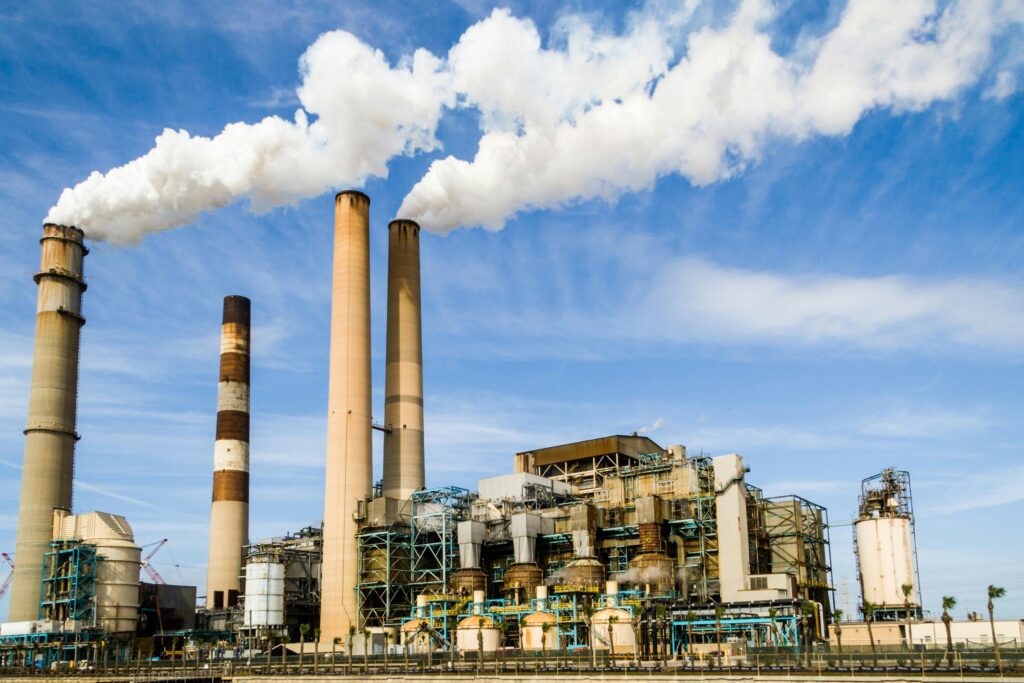
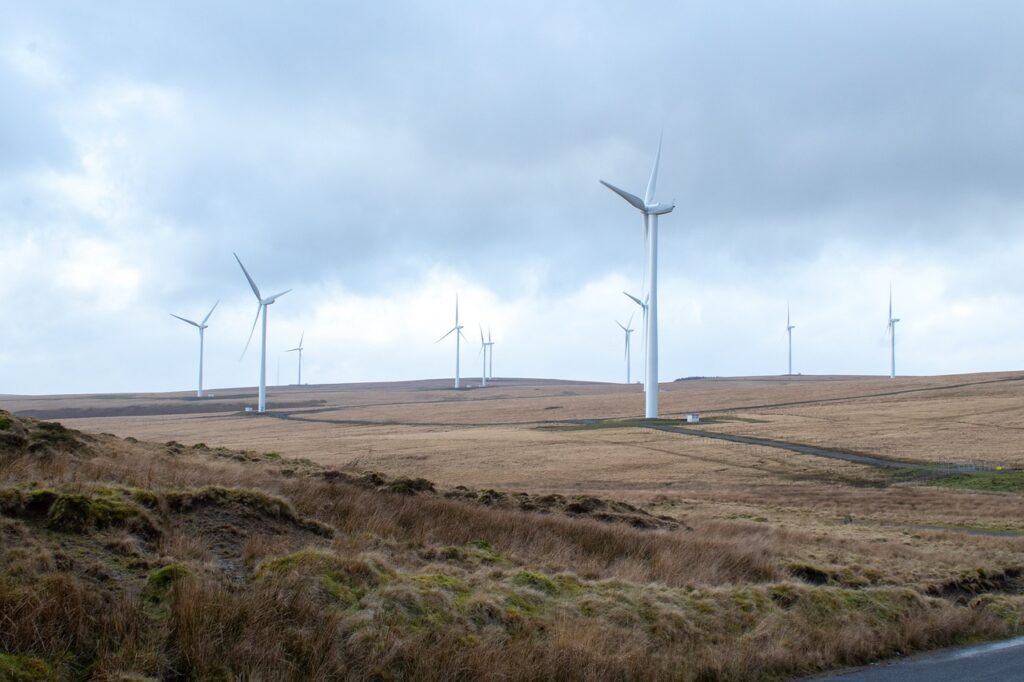
Mawael conducts comprehensive Environmental & Social Impact Assessments (ESIA) to evaluate the potential environmental and social consequences of proposed projects before implementation. Our approach ensures that development activities align with national regulations and international best practices. We identify potential risks, propose effective mitigation measures, and develop Environmental and Social Management Plans (ESMPs) to promote sustainable, responsible, and compliant project execution — balancing growth with environmental protection and community well-being.
Environmental Site Assessment (ESA)

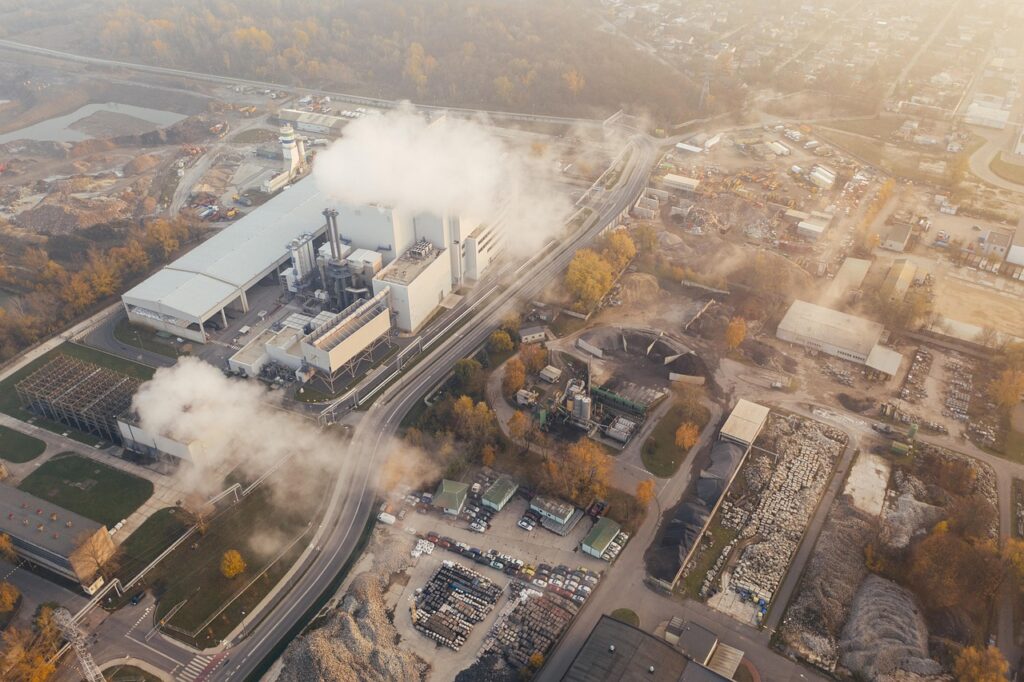
Mawael provides detailed Environmental Site Assessments (ESA) to identify potential or existing environmental contamination and assess the suitability of sites for development. Our studies include Phase I and Phase II investigations to evaluate historical land use, soil and groundwater quality, and potential environmental liabilities. Through our systematic approach, we help clients make informed decisions, ensure regulatory compliance, and implement effective remediation or management strategies when required.
Environmental, Social & Health Impact Assessments (ESHIA)
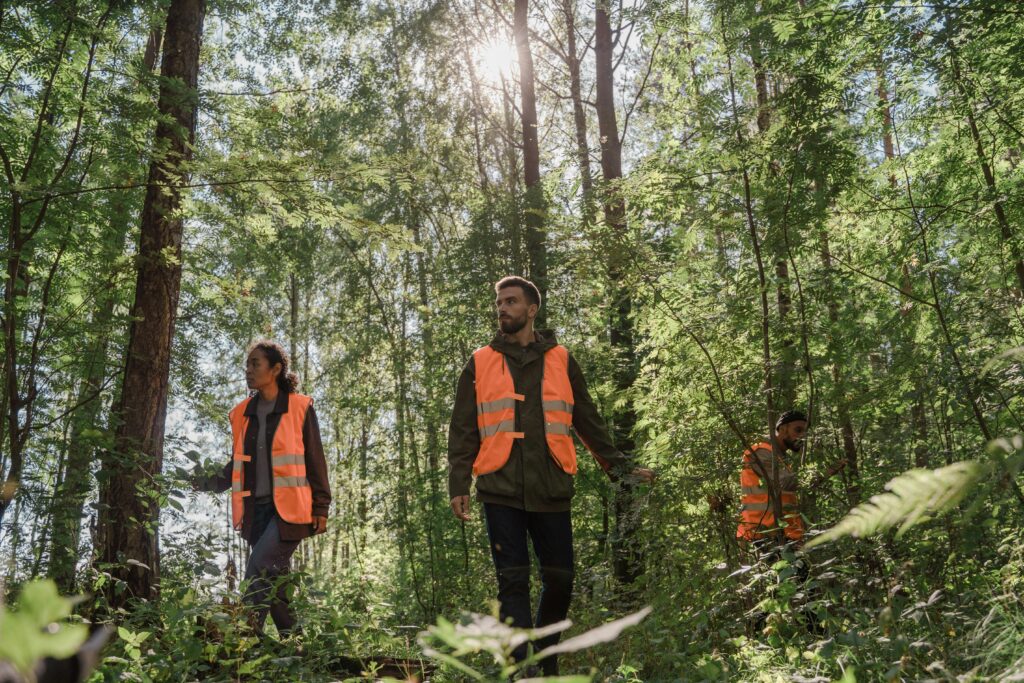
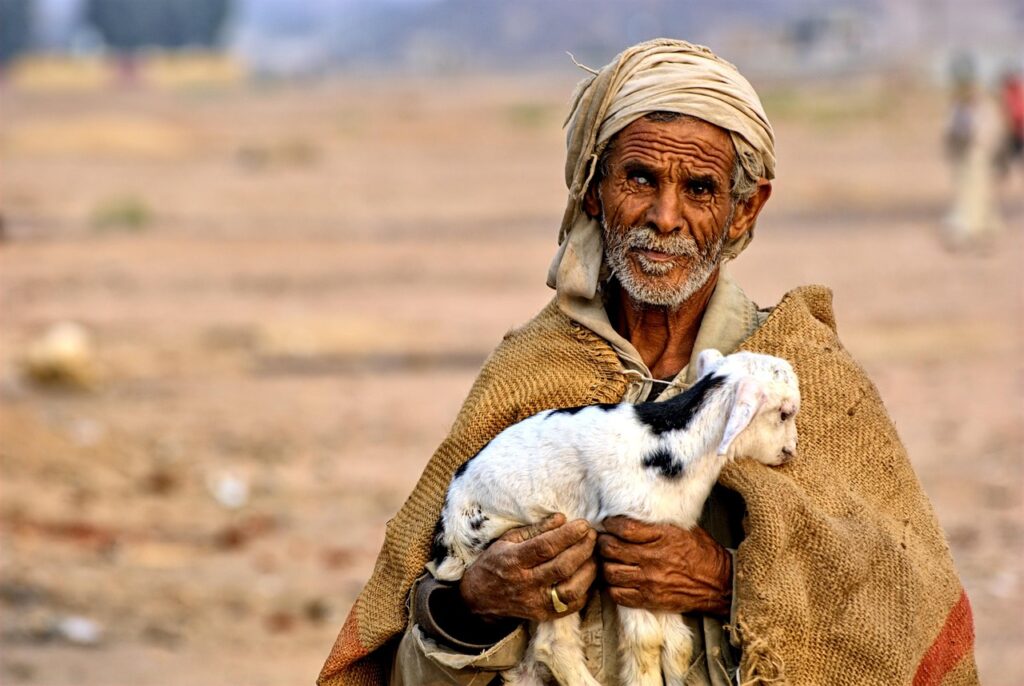

Mawael conducts comprehensive Environmental, Social, and Health Impact Assessments (ESHIA) to evaluate potential impacts of proposed projects on the environment, communities, and public health. Our multidisciplinary team integrates environmental science, social analysis, and health risk assessment to ensure balanced and sustainable project development. The ESHIA process supports informed decision-making, enhances stakeholder engagement, and ensures compliance with national regulations and international best practices, including IFC and World Bank standards.
Critical Habitats Assessment

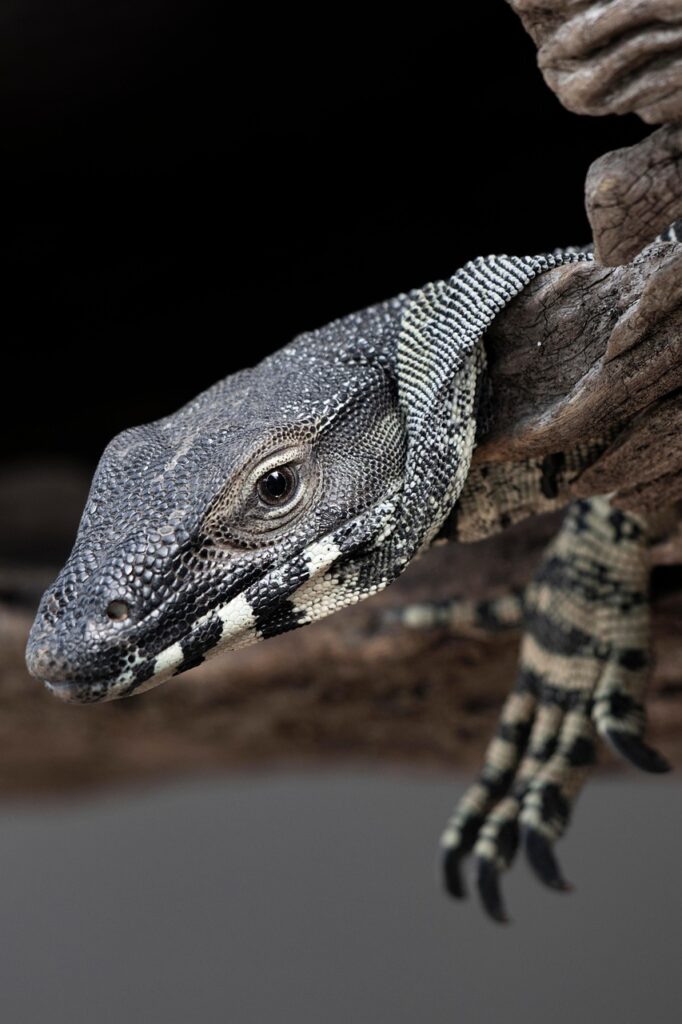

Critical Habitats Assessment (CHA) is a specialized study conducted to identify and evaluate ecologically sensitive areas that host globally or regionally important species and ecosystems. It ensures that development projects comply with international biodiversity conservation standards—such as those of the IFC Performance Standard 6—by minimizing potential impacts, promoting habitat conservation, and maintaining ecological integrity. This service involves field surveys, biodiversity mapping, species monitoring, and stakeholder engagement to support sustainable development within high-value natural environments.